




Abstract
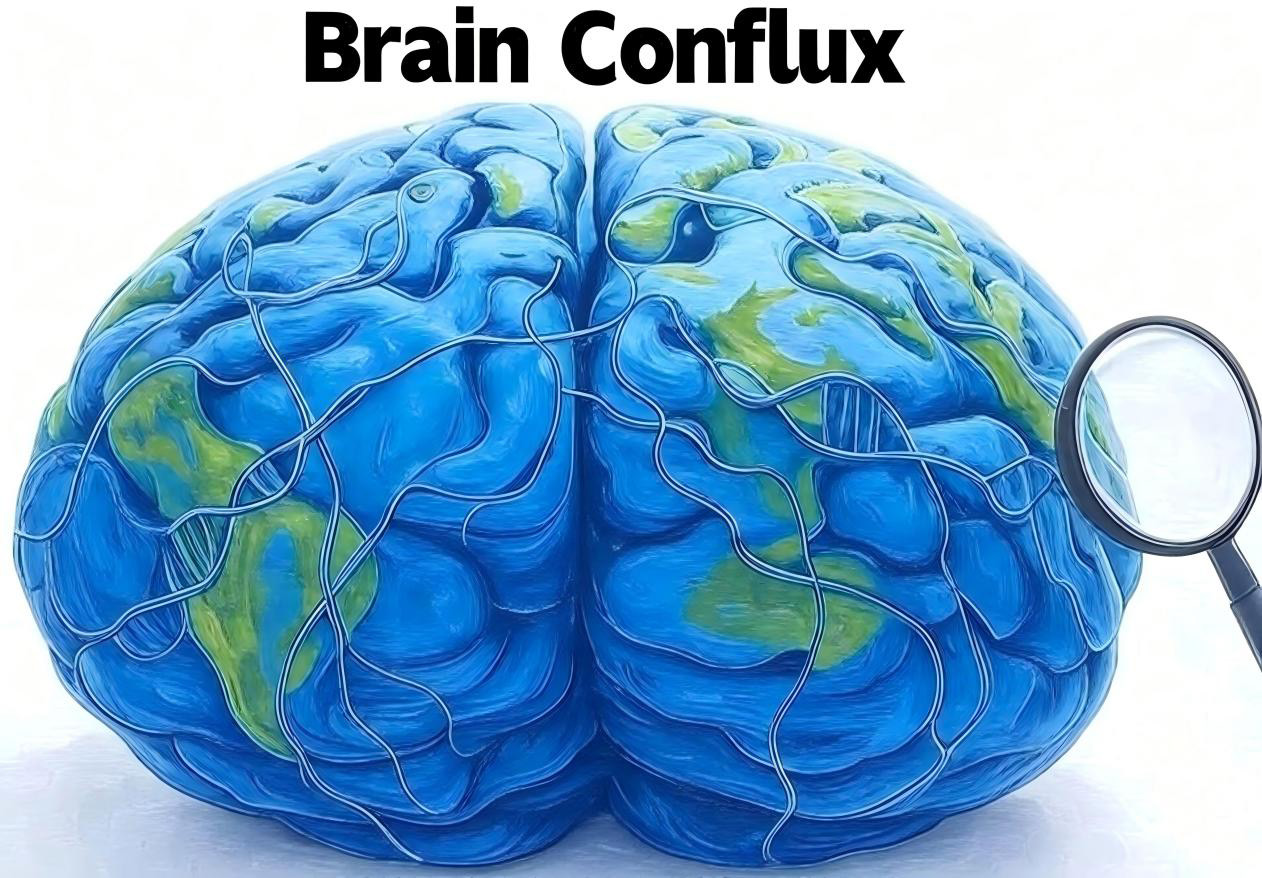
As the Editor-in-Chief of Brain Conflux, I am filled with excitement and immense pride as I present this new journal to the global scientific community. Brain Conflux is not just another scientific publication—it is a visionary platform dedicated to advancing the field of neuroscience. With a focus on high-quality research, this peer-reviewed, open-access journal serves as a bridge between fundamental scientific discoveries and their clinical applications, enabling groundbreaking research to translate into meaningful healthcare solutions. In an era where our understanding of the brain is advancing rapidly, the time has come for a unified, interdisciplinary approach to neuroscience. Brain Conflux stands ready to lead this charge, offering an unparalleled platform for collaboration among researchers, clinicians, and policymakers, all working together to solve some of the most urgent challenges in brain health.
Editorial
The global burden of neurological diseases is escalating at an alarming rate, making it one of the most critical public health issues of our time. Neurodegenerative diseases such as Stroke, Alzheimer’s disease, Parkinson’s disease, and amyotrophic lateral sclerosis continue to cause untold suffering for millions of individuals and families across the world [1-4] . These conditions not only create devastating physical and emotional challenges for patients, but they also place an overwhelming strain on healthcare systems and economies globally. Moreover, neurological diseases are not limited to the elderly; younger populations are also affected, with disorders like multiple sclerosis, epilepsy, chronic pain, and continuing to emerge at concerning rates [5-9] . In addition, the prevalence of headache disorders, particularly chronic migraines and tension-type headaches, is rising, affecting a significant portion of the global population and leading to profound disruptions in daily life [10,11] . Neurological diseases related to immune dysfunction, such as multiple sclerosis and other neuroimmunological disorders, further complicate the clinical landscape, creating new challenges for diagnosis and treatment [12] . The rising prevalence of these conditions, coupled with the rapid aging of the global population, signals the urgent need for innovative research and therapeutic strategies.
Mental health conditions and psychiatric disorders are among the most pressing challenges in modern medicine, impacting millions of lives worldwide. From the complexities of mental illness, such as depression, schizophrenia, and anxiety, to the challenges posed by psychiatric conditions like bipolar disorder, obsessive-compulsive disorder, and post-traumatic stress disorder, the need for integrated, interdisciplinary approaches has never been more urgent. These conditions not only challenge the limits of our medical knowledge but also strain our healthcare systems and societal well-being. The intersection of clinical neurosurgery and brain sciences offers an unprecedented opportunity to unravel the mysteries of the brain. The collaborative efforts between neuroscientists, clinicians, and surgeons will be pivotal in developing new diagnostic tools, treatments, and perhaps, one day, even cures. By combining cutting-edge research with hands-on clinical expertise, we can begin to offer hope where once there was none.
As the world faces this growing healthcare challenge, the field of neuroscience holds unprecedented promise. The brain, with its complex biological networks, remains one of the last frontiers in medical science. Within its intricate workings lie the causes of numerous disorders that affect millions globally. The science of the brain is a vast, untapped frontier with immense potential for discovery. And within this challenge lies our greatest opportunity: the chance to make meaningful progress in understanding and treating brain diseases. The future of brain science is filled with opportunities to explore new approaches that will fundamentally change the trajectory of healthcare. The need for effective therapies has never been more urgent, and there has never been a more exciting time to be working in this field.
This is where Brain Conflux comes in. We are proud to launch this international, peer-reviewed, open-access journal dedicated to advancing the science of the brain. With a focus on the latest research spanning molecular mechanisms, cellular biology, neural networks, and clinical applications, Brain Conflux will provide a platform for cutting-edge scientific discoveries that push the boundaries of what we know about the brain. Our aim is to foster interdisciplinary collaboration across disciplines and geographical boundaries, creating a forum where researchers, clinicians, and policy-makers can exchange ideas and advance the understanding of neurological diseases. The journal will focus on a broad array of topics—from the genetic and epigenetic factors that influence brain development and disease, to the latest advancements in neuroimaging and biomarker discovery, to innovative therapeutic strategies that could one day offer hope to millions.
Through Brain Conflux, we hope to foster a vibrant and thriving community of scientists who are passionate about transforming brain science into tangible healthcare solutions. Whether you are working on uncovering the cellular mechanisms that contribute to neurodegenerative diseases, exploring the genetic underpinnings of psychiatric disorders, or developing novel therapeutic interventions, Brain Conflux provides a platform for you to share your groundbreaking work with the world. Our journal will publish original research, reviews, clinical studies, and insights into the practical applications of neuroscience, encouraging research that bridges the gap between bench and bedside.
But we are not just focused on the science. We are also deeply committed to promoting the impact of neuroscience on public health and policy. The challenges posed by neurological diseases are not just scientific—they are societal. The need for effective treatments is matched by the urgent need for healthcare systems to adapt to the growing burden of brain disorders. Through Brain Conflux, we aim to facilitate discussions that will shape the policies, clinical practices, and research priorities that can better support the global effort to combat neurological diseases. We encourage researchers and clinicians to submit work that not only advances the scientific understanding of the brain, but also addresses the practical needs of patients and healthcare systems around the world.
As we launch Brain Conflux, we are not just beginning a new journal—we are embarking on a new era of brain science. The winds of progress are strong, and the future of neuroscience is brighter than ever. With rapid advancements in technology—such as neuroimaging, genetic sequencing, and stem cell research—we are closer than ever to unlocking the mysteries of the brain. This progress is exhilarating, as each new discovery brings us one step closer to new treatments, new cures, and new ways of improving the lives of people affected by neurological diseases. The possibilities for the future are boundless, and Brain Conflux will be the platform where these discoveries come to life.
The journey ahead is one of exploration, collaboration, and discovery. We stand on the precipice of a transformative era in brain science, and we invite you to be part of this exciting adventure. The scientific community has a unique opportunity to make lasting contributions to the treatment and prevention of neurological diseases. By working together across disciplines and borders, we can push the boundaries of what is possible and ultimately improve the lives of millions around the world.
The future is now, and the future of brain science is full of promise. With Brain Conflux, we are creating a space where the most innovative ideas can come together, and where breakthroughs will fuel the next generation of neuroscience. We invite researchers, clinicians, and policymakers to join us on this extraordinary journey. Together, we can unlock the mysteries of the brain and make a lasting impact on the future of healthcare. The winds of progress are here, and the time to act is now. Let us set sail into this new era of discovery and innovation, charting a course toward a future where the mysteries of the brain are no longer unknown, but understood, and where solutions to neurological diseases are within reach. The journey has begun—let’s ride the waves of discovery and shape the future of neuroscience together.[1-4]
Acknowledgements
Thank you to all the editorial board members of Brain Conflux for their help at the inception of the journal. Thank you to Life Conflux Publishing House for their operational support. Thank you to Yuyao Liu, Haoxue Zhang, and others in the editorial office for their technical support. Thank you to all the readers for their trust. Thank you to Grok for its assistance in contributing to the illustrations.
Competing Interests
The authors declare that they have no existing or potential commercial or financial relationships that could create a conflict of interest at the time of conducting this study.
Data Availability
All data needed to evaluate the conclusions in the paper are present in the paper or the Supplementary Materials. Additional data related to this paper may be requested from the authors.
References
[1] Scheltens P, De Strooper B, Kivipelto M, Holstege H, Chételat G, Teunissen CE, et al. (2021). Alzheimer's disease. Lancet, 397(10284), 1577-1590. https://doi.org/10.1016/s0140-6736(20)32205-4
[2] Ben-Shlomo Y, Darweesh S, Llibre-Guerra J, Marras C, San Luciano M, & Tanner C. (2024). The epidemiology of Parkinson's disease. Lancet, 403(10423), 283-292. https://doi.org/10.1016/s0140-6736(23)01419-8
[3] Feldman EL, Goutman SA, Petri S, Mazzini L, Savelieff MG, Shaw PJ, et al. (2022). Amyotrophic lateral sclerosis. Lancet, 400(10360), 1363-1380. https://doi.org/10.1016/s0140-6736(22)01272-7
[4] Global, regional, and national burden of stroke and its risk factors, 1990-2019: a systematic analysis for the Global Burden of Disease Study 2019. (2021). Lancet Neurol, 20(10), 795-820. https://doi.org/10.1016/s1474-4422(21)00252-0
[5] Yozawitz E. (2023). Neonatal Seizures. N Engl J Med, 388(18), 1692-1700. https://doi.org/10.1056/NEJMra2300188
[6] Kanner AM, & Bicchi MM. (2022). Antiseizure Medications for Adults With Epilepsy: A Review. Jama, 327(13), 1269-1281. https://doi.org/10.1001/jama.2022.3880
[7] Lamvu G, Carrillo J, Ouyang C, & Rapkin A. (2021). Chronic Pelvic Pain in Women: A Review. Jama, 325(23), 2381-2391. https://doi.org/10.1001/jama.2021.2631
[8] Schaff LR, & Mellinghoff IK. (2023). Glioblastoma and Other Primary Brain Malignancies in Adults: A Review. Jama, 329(7), 574-587. https://doi.org/10.1001/jama.2023.0023
[9] Global, regional, and national burden of epilepsy, 1990-2021: a systematic analysis for the Global Burden of Disease Study 2021. (2025). Lancet Public Health, 10(3), e203-e227. https://doi.org/10.1016/s2468-2667(24)00302-5
[10] Ashina M. (2020). Migraine. N Engl J Med, 383(19), 1866-1876. https://doi.org/10.1056/NEJMra1915327
[11] Global, regional, and national burden of stroke and its risk factors, 1990-2021: a systematic analysis for the Global Burden of Disease Study 2021. (2024). Lancet Neurol, 23(10), 973-1003. https://doi.org/10.1016/s1474-4422(24)00369-7
[12] Haghikia A, Schett G, & Mougiakakos D. (2024). B cell-targeting chimeric antigen receptor T cells as an emerging therapy in neuroimmunological diseases. Lancet Neurol, 23(6), 615-624. https://doi.org/10.1016/s1474-4422(24)00140-6
 Figures
 References
 Peer
Peer Information
[1] Scheltens P, De Strooper B, Kivipelto M, Holstege H, Chételat G, Teunissen CE, et al. (2021). Alzheimer's disease. Lancet, 397(10284), 1577-1590. https://doi.org/10.1016/s0140-6736(20)32205-4
[2] Ben-Shlomo Y, Darweesh S, Llibre-Guerra J, Marras C, San Luciano M, & Tanner C. (2024). The epidemiology of Parkinson's disease. Lancet, 403(10423), 283-292. https://doi.org/10.1016/s0140-6736(23)01419-8
[3] Feldman EL, Goutman SA, Petri S, Mazzini L, Savelieff MG, Shaw PJ, et al. (2022). Amyotrophic lateral sclerosis. Lancet, 400(10360), 1363-1380. https://doi.org/10.1016/s0140-6736(22)01272-7
[4] Global, regional, and national burden of stroke and its risk factors, 1990-2019: a systematic analysis for the Global Burden of Disease Study 2019. (2021). Lancet Neurol, 20(10), 795-820. https://doi.org/10.1016/s1474-4422(21)00252-0
[5] Yozawitz E. (2023). Neonatal Seizures. N Engl J Med, 388(18), 1692-1700. https://doi.org/10.1056/NEJMra2300188
[6] Kanner AM, & Bicchi MM. (2022). Antiseizure Medications for Adults With Epilepsy: A Review. Jama, 327(13), 1269-1281. https://doi.org/10.1001/jama.2022.3880
[7] Lamvu G, Carrillo J, Ouyang C, & Rapkin A. (2021). Chronic Pelvic Pain in Women: A Review. Jama, 325(23), 2381-2391. https://doi.org/10.1001/jama.2021.2631
[8] Schaff LR, & Mellinghoff IK. (2023). Glioblastoma and Other Primary Brain Malignancies in Adults: A Review. Jama, 329(7), 574-587. https://doi.org/10.1001/jama.2023.0023
[9] Global, regional, and national burden of epilepsy, 1990-2021: a systematic analysis for the Global Burden of Disease Study 2021. (2025). Lancet Public Health, 10(3), e203-e227. https://doi.org/10.1016/s2468-2667(24)00302-5
[10] Ashina M. (2020). Migraine. N Engl J Med, 383(19), 1866-1876. https://doi.org/10.1056/NEJMra1915327
[11] Global, regional, and national burden of stroke and its risk factors, 1990-2021: a systematic analysis for the Global Burden of Disease Study 2021. (2024). Lancet Neurol, 23(10), 973-1003. https://doi.org/10.1016/s1474-4422(24)00369-7
[12] Haghikia A, Schett G, & Mougiakakos D. (2024). B cell-targeting chimeric antigen receptor T cells as an emerging therapy in neuroimmunological diseases. Lancet Neurol, 23(6), 615-624. https://doi.org/10.1016/s1474-4422(24)00140-6
Peer-review Terminology
Identity transparency: Single anonymized
Reviewer interacts with: Editor
Details
This is an open access article under the terms of the Creative Commons Attribution License(http://creativecommons.org/licenses/by/4.0/), which permits use, distribution and reproduction in any medium, provided the original work is properly cited.
Publication History
Received 2025-01-05
Accepted 2025-03-27
Published 2025-03-30